

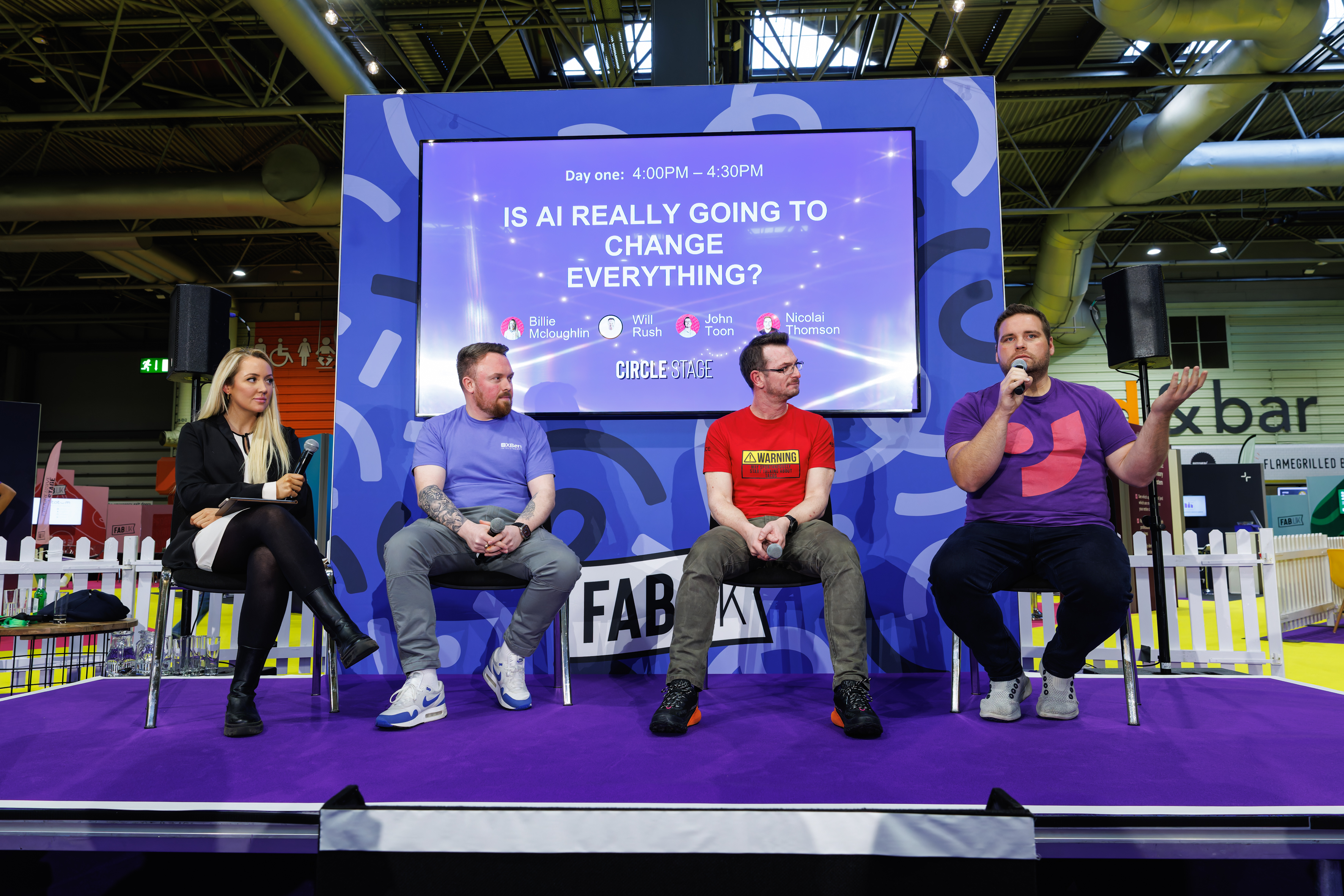
Human-led automation: Turning AI hype into real firm wins
Firms that pair change leadership with sensible integration are cutting month-end by 20–40 percent, reducing rework in core processes, and freeing capacity for analysis. Audit teams using full-ledger analytics are improving anomaly detection while keeping files defendable. Practices that standardise stacks and clarify ownership report faster onboarding and lower burnout. The common factor is not the tool, it is the way people adopt it.
Why the human layer is the real bottleneck
Many firms bought first and planned later. Partial rollouts, duplicate data, and teams feeling “done to” are the predictable result. Building An Agile Firm Culture: Balancing Technology, Teams And Outsourcing shows leaders how to involve end-users early, deliver hands-on training, and set short-term wins that build trust. It also tackles a practical reality: outsourcing can create capacity, but only when your team understands where it fits and who owns what.
Pair that with How Not To Create A Frankenstack: Tame Your Tech. Natasha Everard’s detox and governance model will help you diagnose bloat, standardise core workflows, and keep the stack tidy after the clean-up.
So what for leaders? You leave able to run a 90-day adoption plan with three measurable wins, and a one-page ownership model that stops the slide back to shadow spreadsheets.
If you do nothing: Tool sprawl continues, write-offs creep up, and morale dips as people work around systems instead of with them.
Automation that actually saves time
Finance chiefs are not short of options, they are short of confidence that changes will stick. Automation And AI: The Cfo’s Efficiency Revolution focuses on leaders who have shortened the close, reduced manual reconciliations, and moved time into analysis. The emphasis is practical: close-pack redesign, auto-recs, and controls that satisfy audit.
Audit teams get equally concrete value in Audit Reimagined: Elevate Quality With Data And AI. Expect full-ledger analytics, AI-assisted testing, and documentation that keeps regulators comfortable. The message is simple: pair automation with professional scepticism and you lift both quality and efficiency.
So what for leaders? You leave with a playbook to remove two to five days from month-end, and a defendable workpaper snippet for AI-assisted testing.
If you do nothing: the close stays manual and late, and audit overruns remain likely.
For context, A Brief History Of Accounting Technology offers useful perspective when you are tempted to chase trends rather than fix real constraints.
Fix the root causes: Integration and single sources of truth
A major ceiling on productivity is systems that do not talk. Unified Cloud Systems: Connect Your Practice Tech Stack makes the case for a single source of truth or, at minimum, tight integration across onboarding, production, and billing. You will see migration triggers, realistic API constraints, and what “good” looks like when multiple teams need the same data in near real time.
So what for leaders? You leave with a buy-versus-integrate decision tree, a basic data map, and a RACI for ownership.
If you do nothing: reporting lags, licence waste grows, and knowledge walks out when staff leave.
People, process, then platform
Small teams face growth without quality slippage. Scale Smart: Hiring, Training And Outsourcing For Small Teams gives a people-first roadmap, from apprenticeships to targeted outsourcing, and training plans that protect standards as you scale.
For larger practices, leadership culture is the swing factor. Building An Agile Firm Culture will help you narrate the why, celebrate small wins, and remove friction quickly so adoption lasts.
Client experience is the real test
Every internal gain should show up in client experience. Next-Level Client Experience: Enhance Communication And Collaboration shows how modern portals, messaging, and proactive insight turn efficiency into value clients feel. It is a simple way to bring sceptical teams on side: this is not change for its own sake, it is service that is easier and more human.
Role-by-role: What you will take back to the office
- CFO or Finance Director: shorten close, raise forecasting accuracy, and redeploy 0.5–1.0 FTE per team into analysis.
- Managing Partner: protect margin under fee pressure and package advisory without chaos.
- COO or Head of Ops: kill duplicate entry, define ownership, and set guardrails.
- Audit Lead: move from samples to populations with defendable documentation.
The cost of doing nothing
- Month-end: every manual day delays decisions and ties up leadership time you cannot repurchase.
- Audit: sampling and manual tie-outs drive overruns and harder file reviews.
- Operations: Frankenstacks create licence waste and single-point failures.
- Client experience: without portals and a comms cadence, churn rises and referrals fall.
WHAT TO LOOK OUT FOR AT FAB
Automation and AI are no longer edge experiments, they are operational expectations — and the firms that benefit most are the ones that approach them as management disciplines, not tooling choices. The FAB sessions above give you the structure to do exactly that. Arrive with one messy workflow, two metrics, and a rough sense of your integration stance. Leave with a 90-day plan you can run immediately, a clearer ownership model, and the confidence to explain to your team why this change matters and how it will make their work easier.
Adoption, not algorithms, is where the real gains sit. FAB gives you the tools, examples, and peer insight to get there — and to convert automation from hype into reliable, repeatable firm-wide wins.